Every year towards the end of October, billboard posters, newspaper ads, and collectors appear, offering poppies in exchange for donations, in remembrance and support of the sacrifices made by the men and women of the armed forces.
Every year on Remembrance Sunday and on Armistice Day, solemn ceremonies are held across the country. And then they are gone.
Over the years since its origins in 1921, remembrance has become remembrancetide: the season of remembrance. It has seen many changes: from grieving the suffering and losses of husbands, sons and fathers, hope for everlasting peace, to renewed anxiety for an uncertain future, to – at times – giving space to expressions of national and military triumph (see e.g. the research of Dr. Liam Markey at the University of Liverpool and at the British Library).
Without doubt there are those for whom remembrance remains deeply personal: according to Royal British Legion estimates about 1 million veterans live among us. Over the years I have met a number of these veterans, from Special Forces and Royal Marines, each with several tours of duty in Afghanistan and Iraq. I am awed by their choices on which all our lives are built. Is wearing a poppy the way to honour Dan, Emma, Jake, Kyle? Or are we letting ourselves off too easily? What would they want us to do with the freedoms they gave so much to protect?
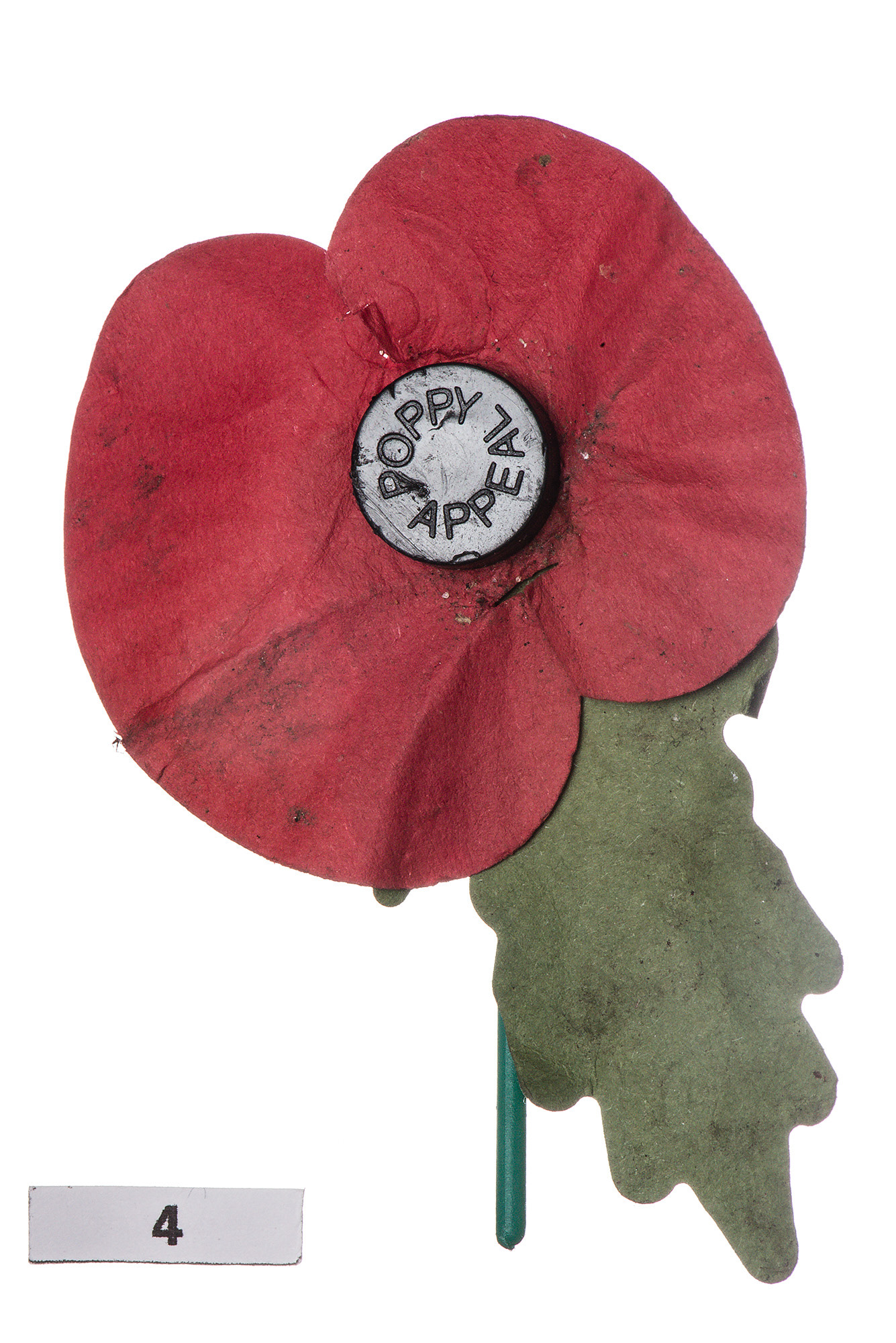
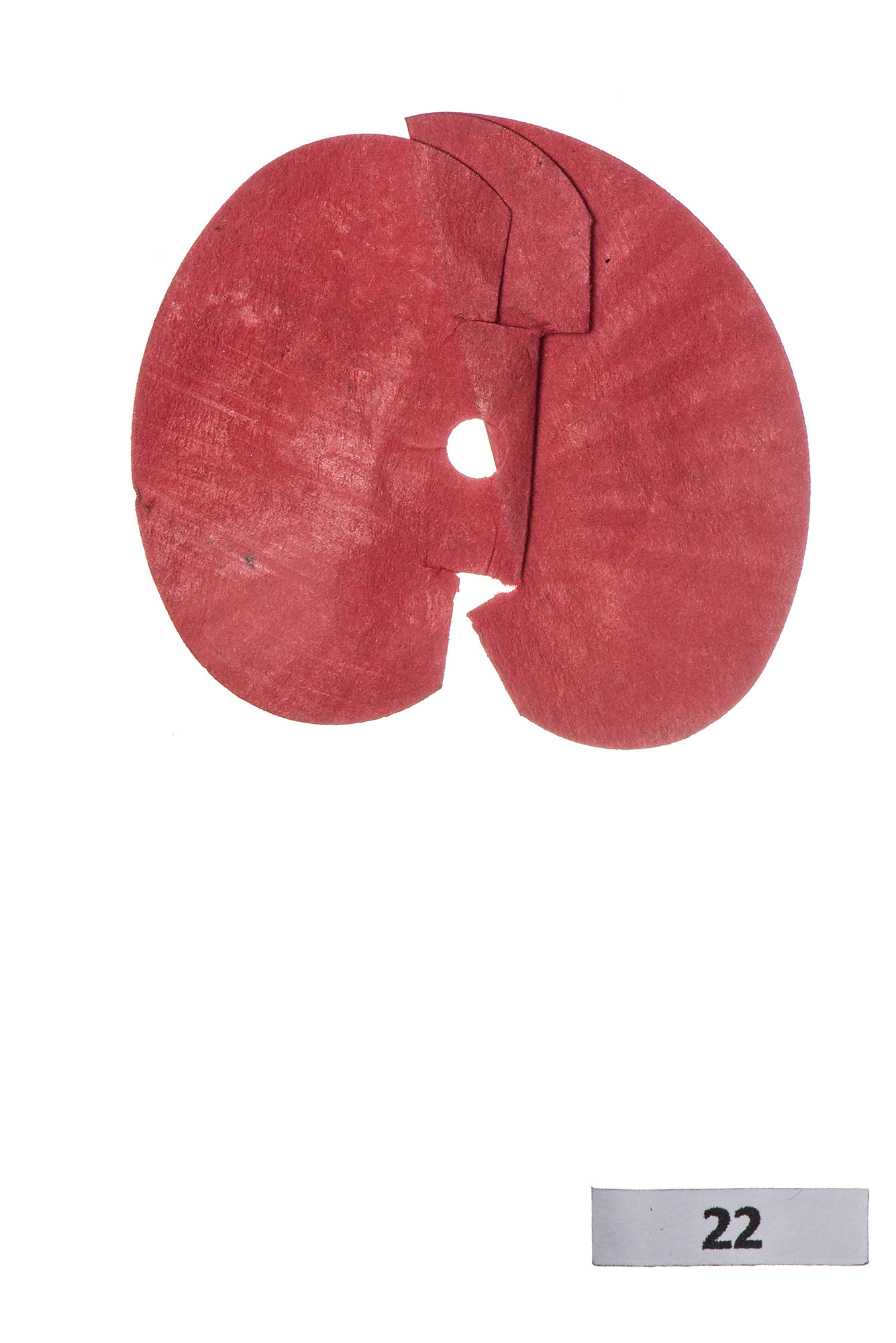
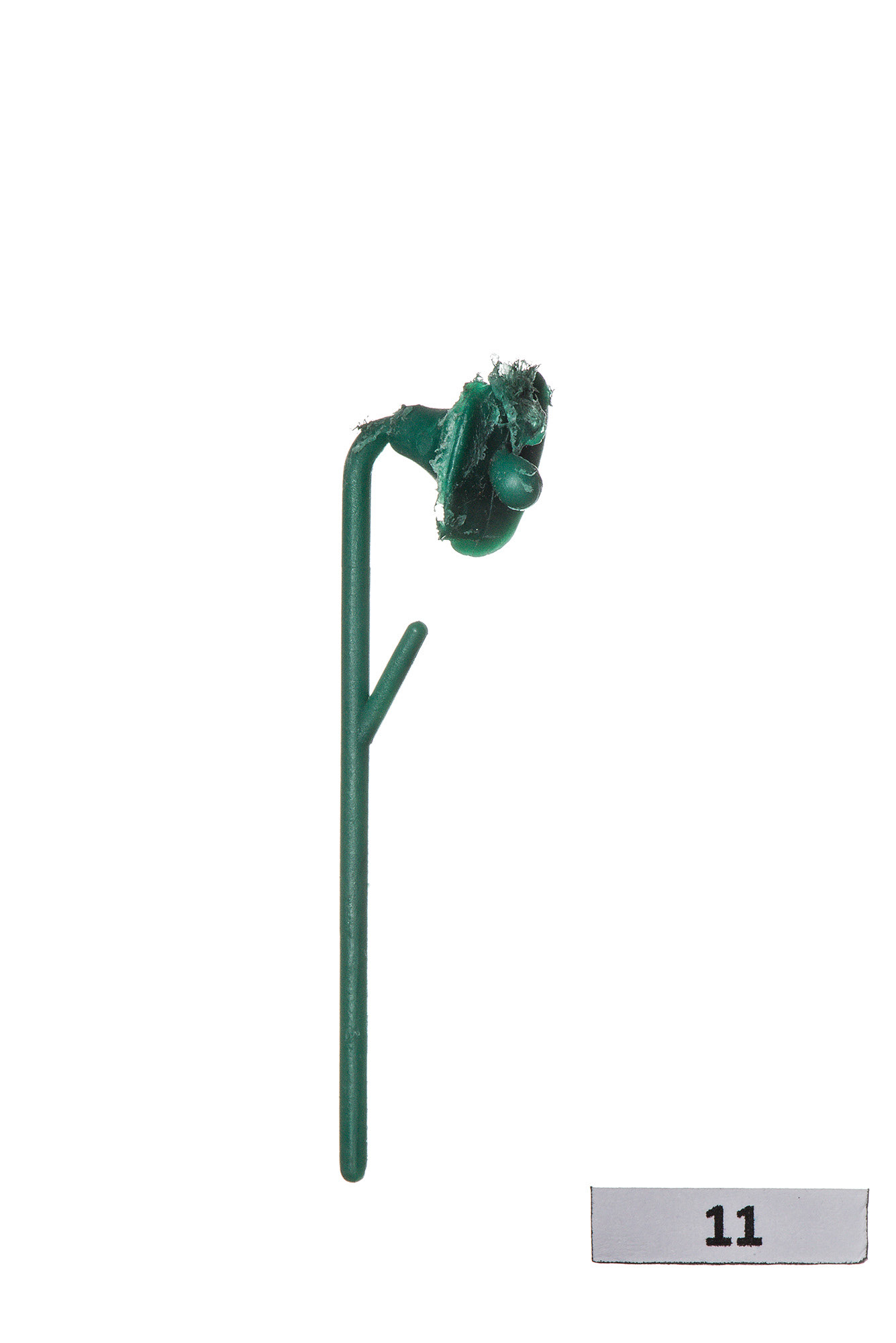
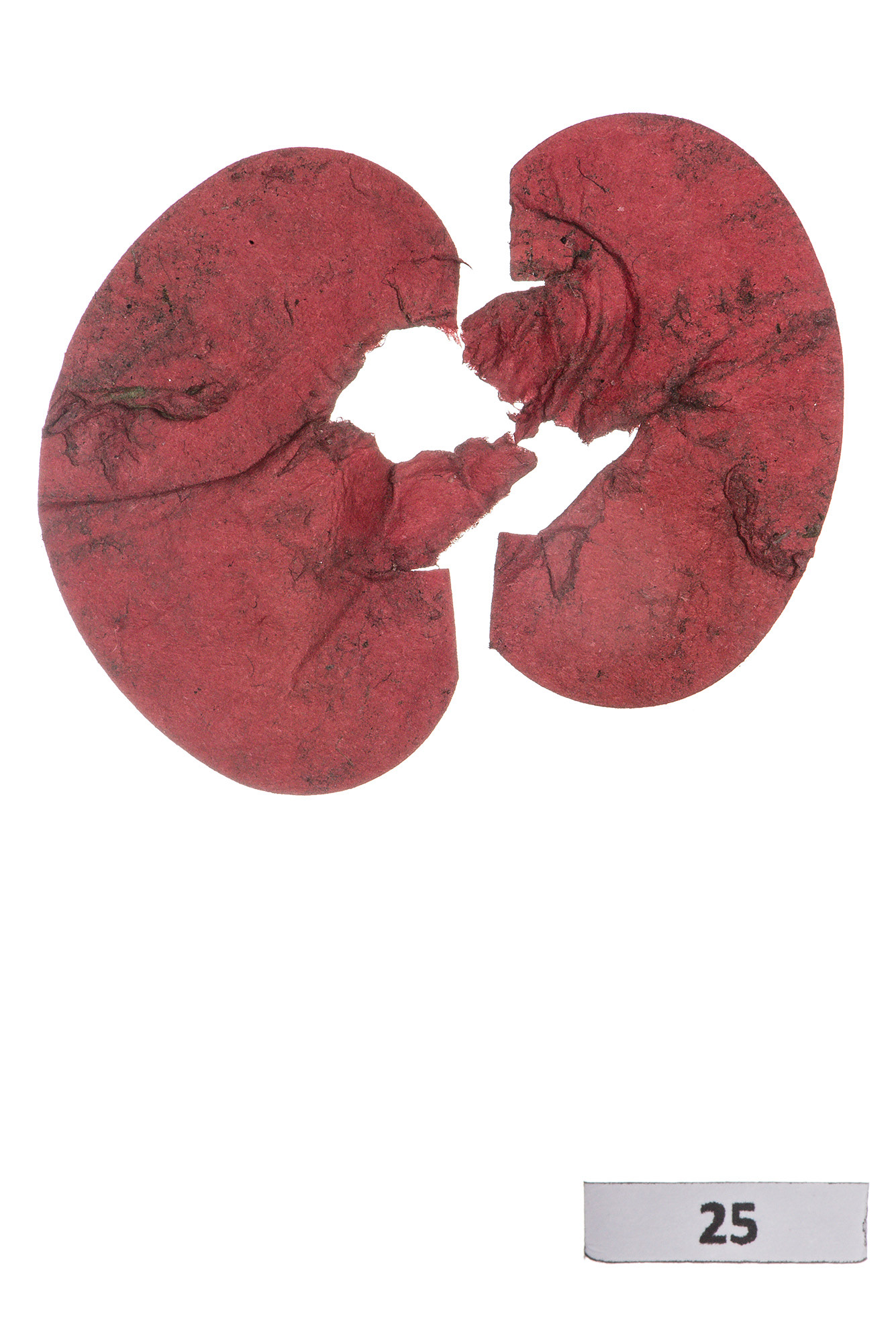
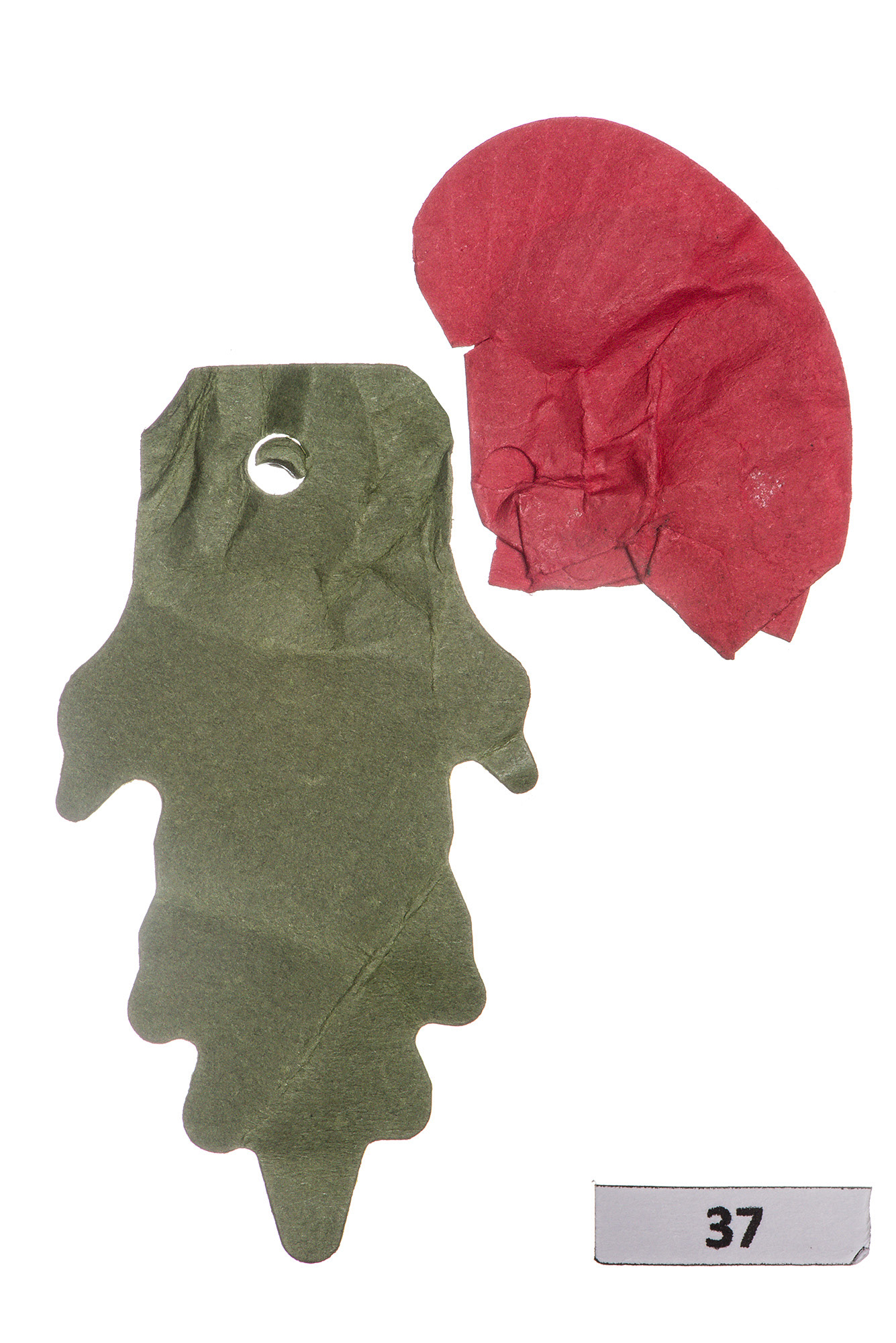
I have spent years collecting and photographing discarded Remembrance Day poppies. This work is ongoing and currently encompasses 42 poppies.
Images are printed in A2 size, individually mounted in white frames and presented as triptychs.