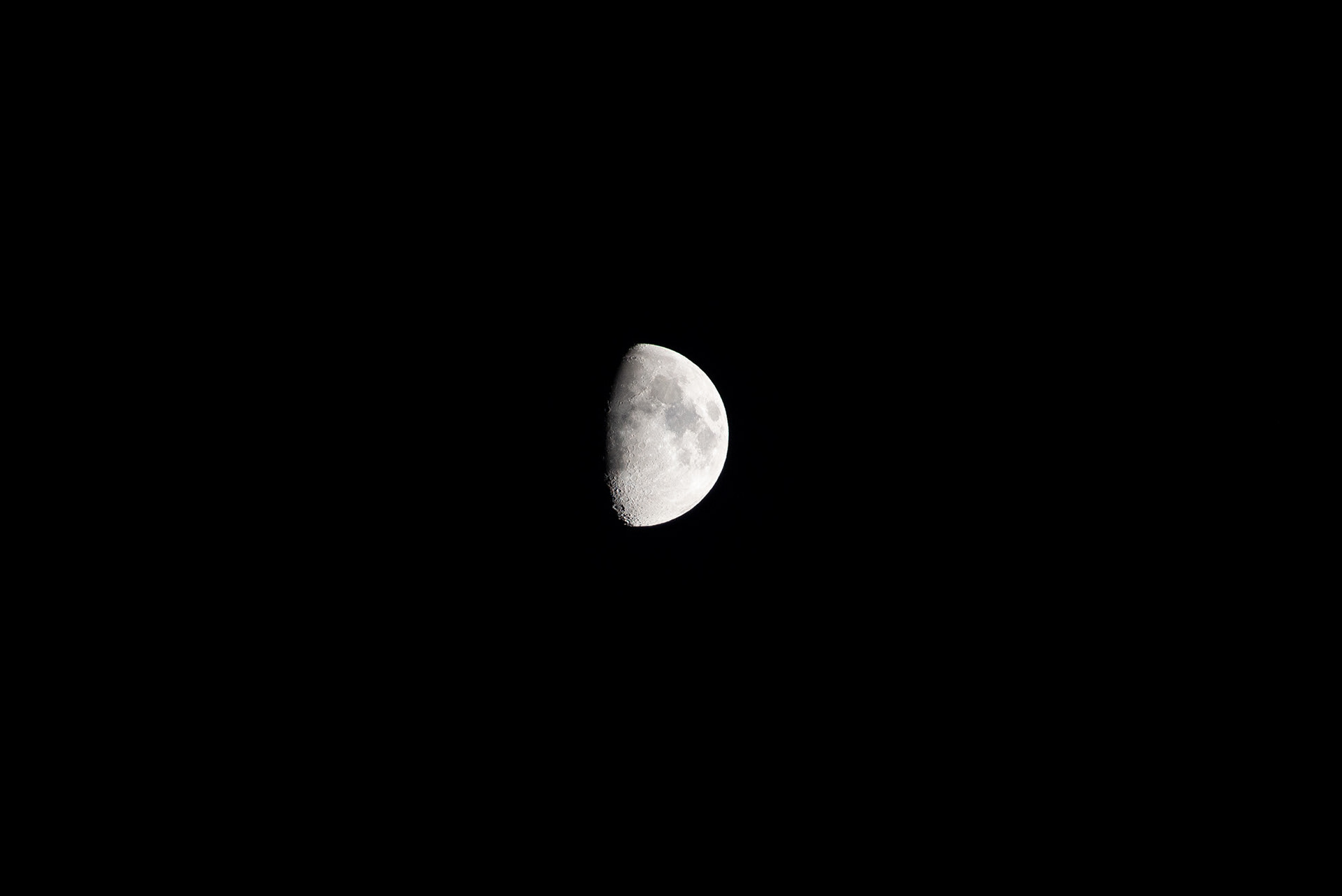
The allure of venturing beyond Earth's confines has been a longstanding dream, popularised notably by Jules Verne's 'From the Earth to the Moon' in 1865. It took humanity just over a century since that publication to realise this dream with the 1969 Moon landing by US astronauts Neil Armstrong and Edwin Aldrin. Yet, even as pioneers in the furthest reaches of human exploration, they were confined to spaces no larger than a car for the multi-day journey to and from the Moon, and their time on its surface. Both before and after their voyage, they were subject to strict quarantine measures to mitigate any potential illnesses during transit and minimise the risk of contaminating Earth with lunar pathogens.
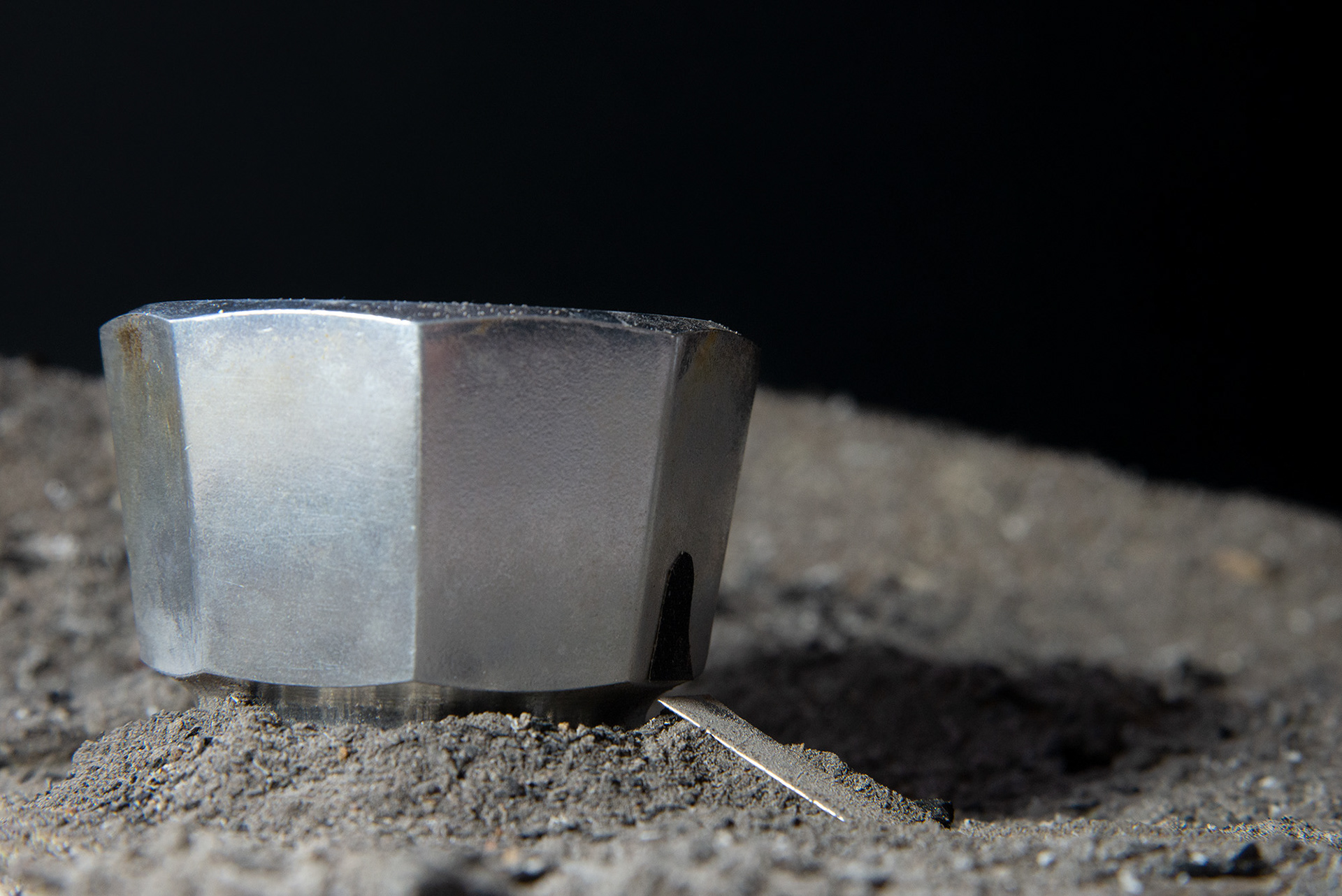
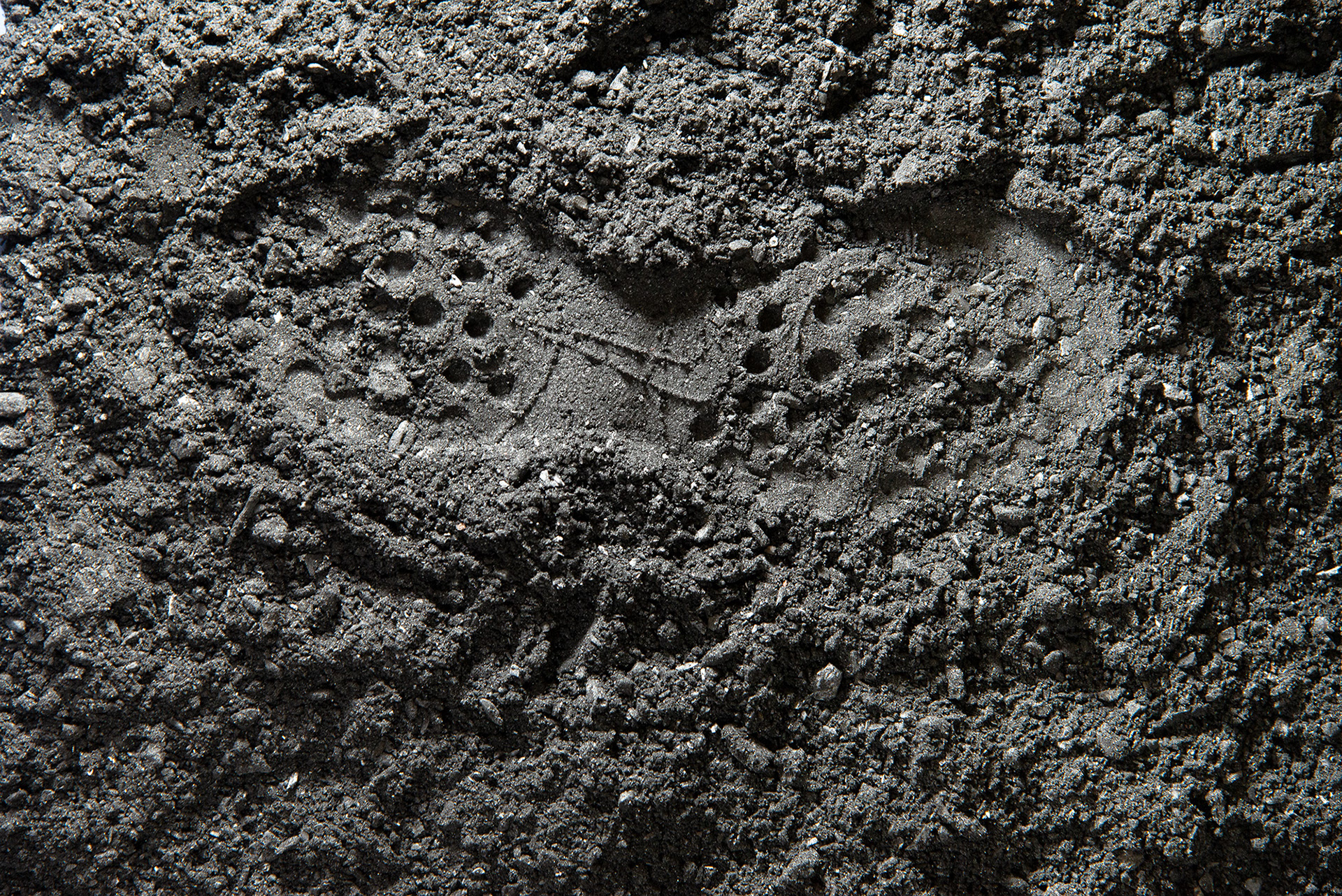
Inspired by the COVID lockdowns of 2020/21, ‘Journey to the Moon’ is my photographic record of my mission to recreate my childhood fantasy of lunar travel -- without ever leaving home.
This, of course, required extensive research. Apart from re-reading popular science books recounting the first Moon landings and Jules Verne’s historic sci-fi namesake I immersed myself in learning about orbital mechanics in order to calculate the parameters for my travel. Happily, I found an excellent Youtube tutorial series on orbital mechanics (link). Better still, the author also created Python tools to implement these calculations (link). Wolfram Alpha (link) has extensive example workbooks that illustrate specific questions.
Armed with a deep appreciation (and limited understanding) of the subject, I proceeded to answer the question how to get there: a number of blog posts, including this discussion (Flying to the moon with Apollo) (link), helped me develop an outline plan for my journey. It was not going to be easy.
Next, I consulted the flight plans (link) for the historic Apollo missions to the Moon. Of course I also studied the mission journals (link) and logs to learn from their experiences.
I needed to be able to operate my spacecraft. Thankfully, I found a flight manual (link) for the Saturn V rocket to help with this challenge.
Technology has come a long way since those days. Despite a familiarity with computers and operating systems, working with the Apollo Guidance Computer (AGC) (link) was not going to be easy. It operated with a very limited set of instructions and constrained resources. Its user interface consisted of a (largely numeric) keypad to enter commands and datapoints. Thanks to spaceflight and technology historians, we now have access to extensive documentation of the AGC (link) and, for some missions, even the complete source code (link). This could be used with a virtual AGC simulator (link) and plugged into the Orbiter space flight simulator (link).
Apollo in Real Time (link) brought it all to life, without the inherent risk to life of actual space flight.
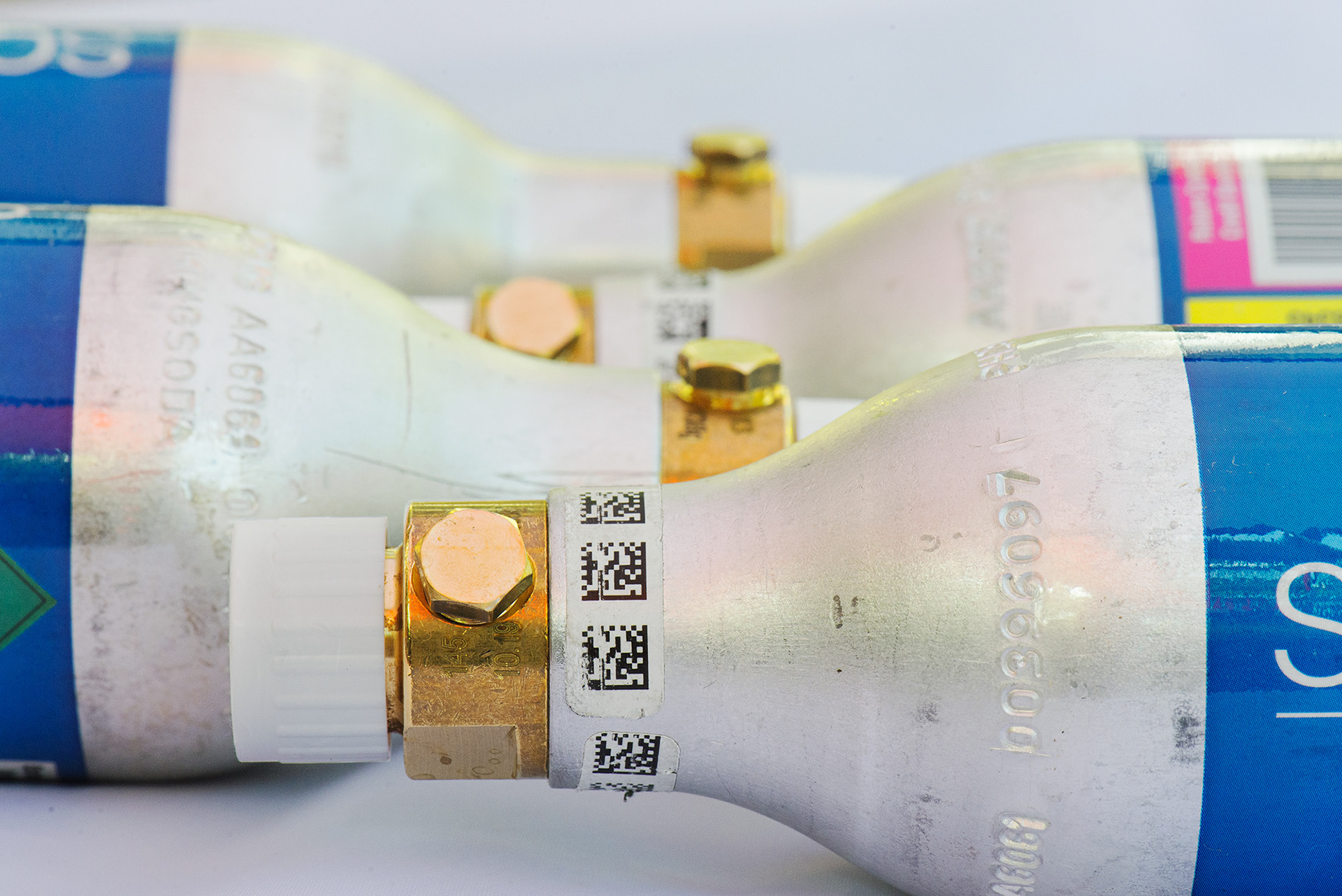
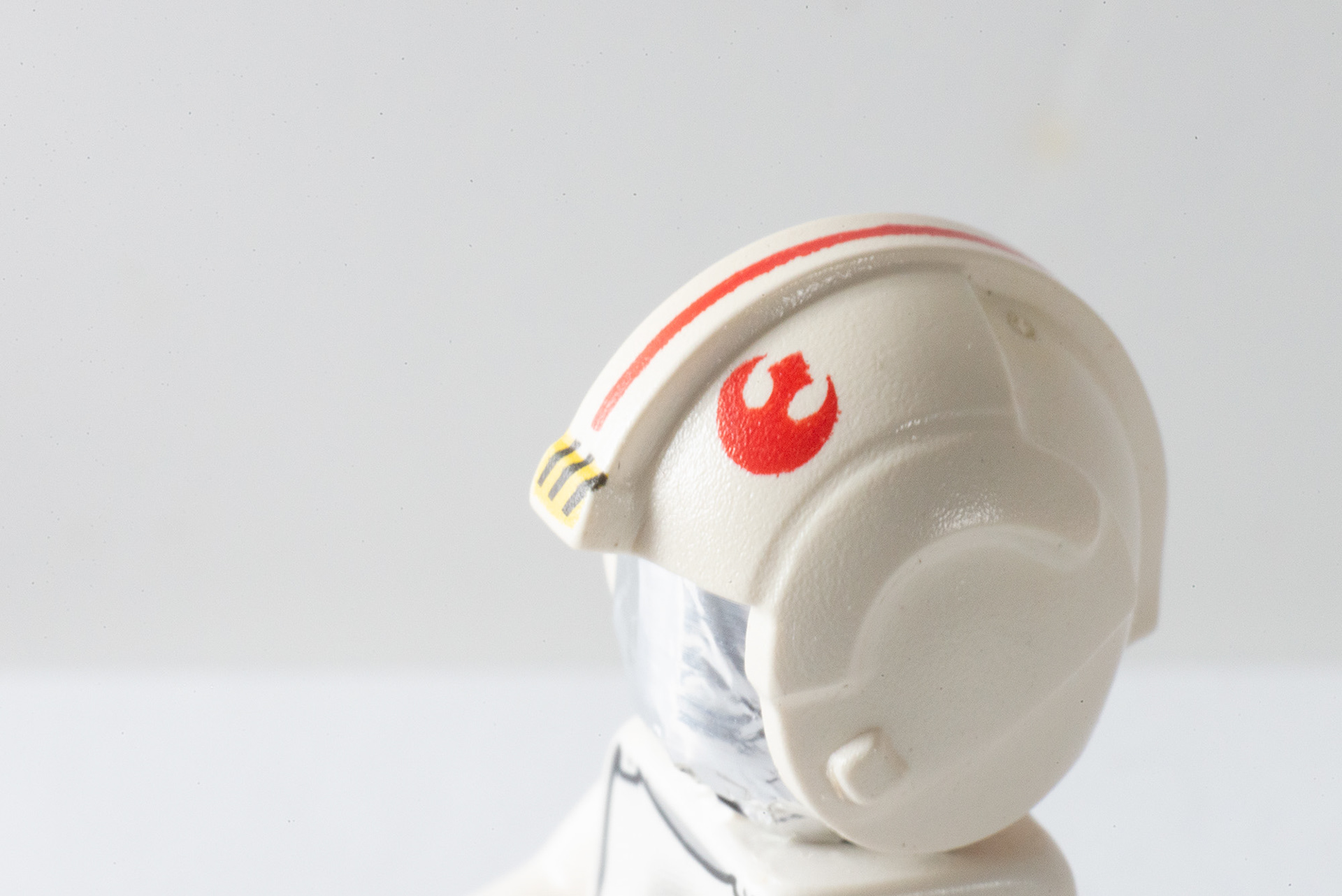
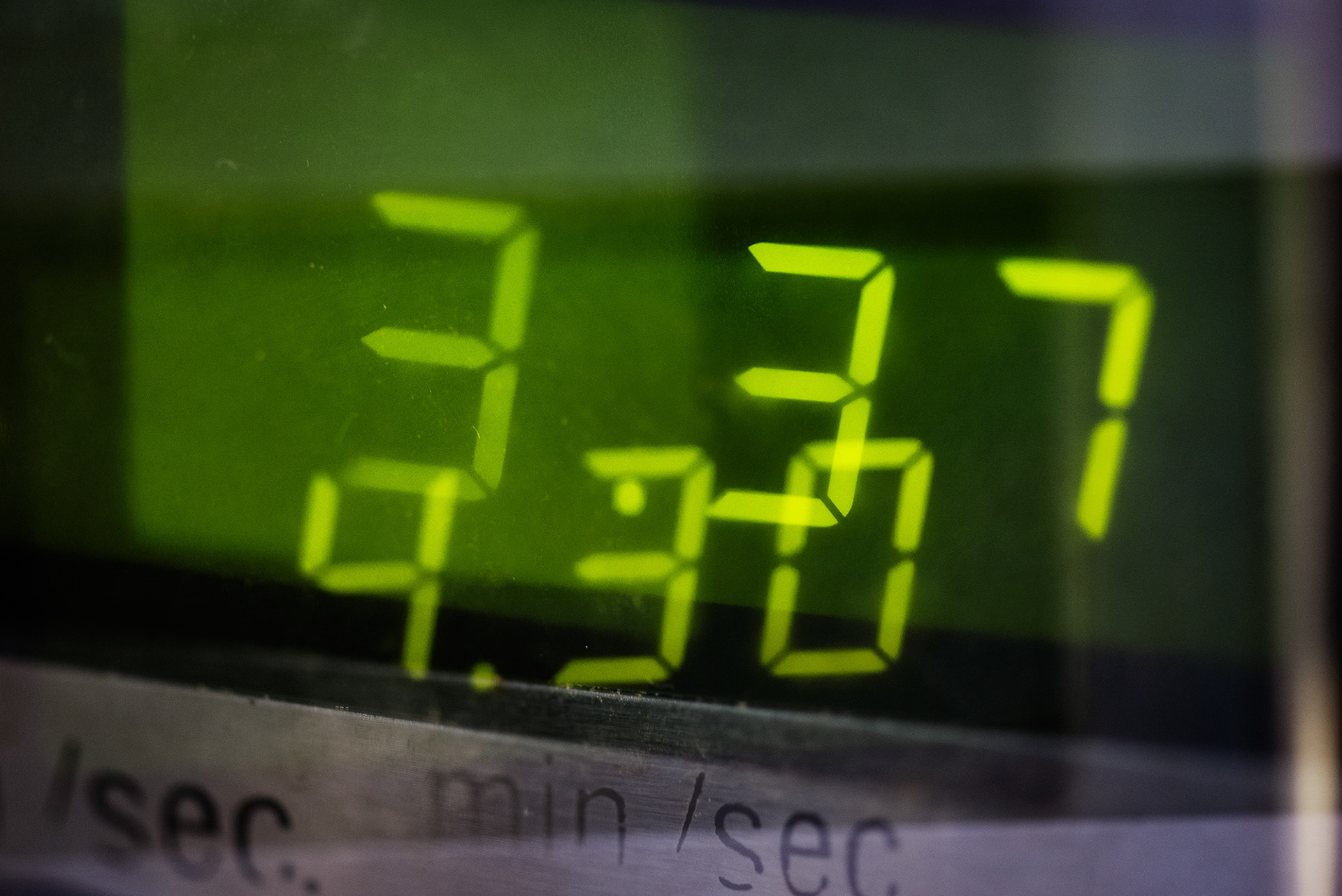
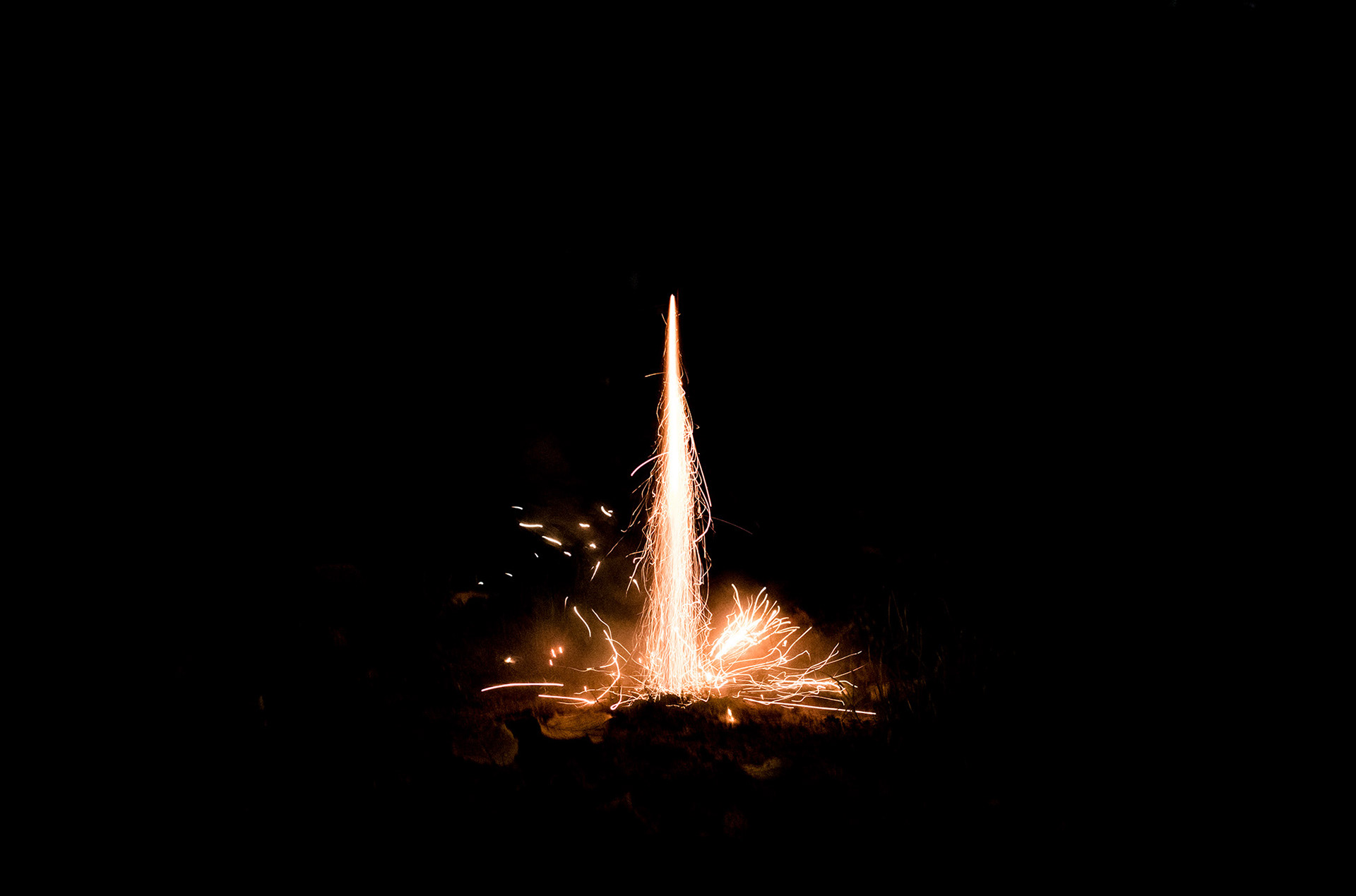
Working within the confines of COVID lockdown restrictions, utilising only common household objects and appliances and rejecting AI post-production techniques, I captured my entire lunar adventure within the confines of my home in London.